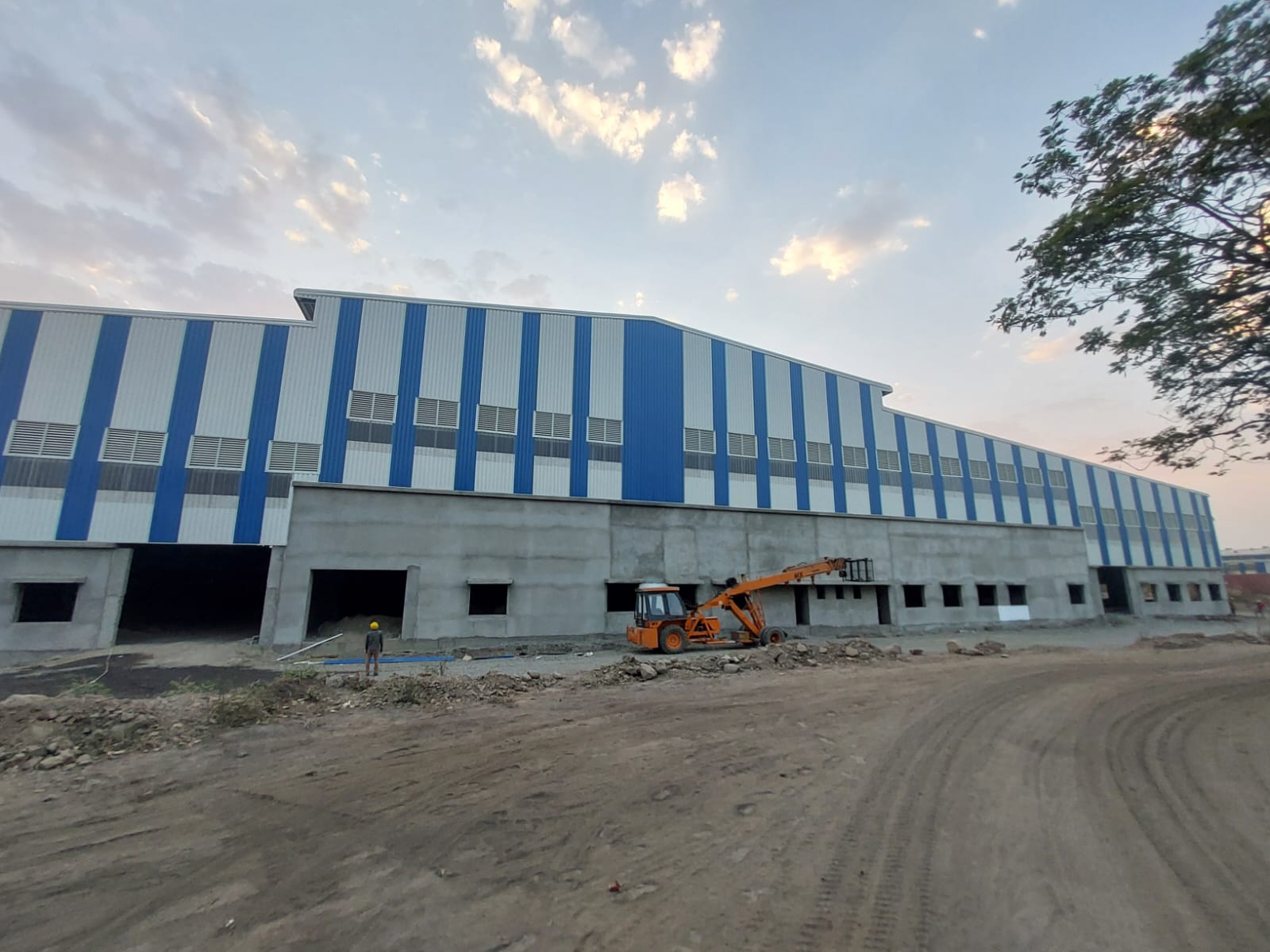
The hidden economics of PEB pricing
PEB quotes are routinely compared on rupees per kilogram of steel. That metric hides at least five variables that move the actual delivered cost by 15–25%.
The five traps
- Steel grade substitution — IS 2062 Grade B vs. Grade E shifts material cost without affecting headline tonnage.
- Roof and wall sheeting specification — bare galvalume vs. pre-painted standing seam moves cost and lifecycle differently.
- Connection class — site-bolted vs. welded vs. high-tensile-bolted; cost and erection time differ.
- Bracing system — X-bracing vs. portal frames at the gable ends; one is cheaper, the other is faster and cleaner.
- Mezzanine inclusion — quotes often exclude mezzanine framing or include it at a token rate.
How to neutralise the traps
- Compare on per sq ft of usable area, not per kilo of steel.
- Insist on a bill of materials with material grade and member section called out.
- Specify the design code and loads in the RFQ — don't let the bidder choose.
- Get an independent engineering review of two shortlisted quotes before award.
How MEC supports owners on PEB procurement
We offer pre-procurement engineering reviews for PEB jobs — including bid engineering, technical scope drafting, RFQ load specification and bid comparison. The result is a procurement decision based on engineering equivalence, not headline rate.
Lead-magnet download: Our PEB quote comparison spreadsheet — the same template we use to normalise bidder responses. Request the spreadsheet.